When Our Words Fall Short
On grief, regret, and the story that began before I knew I was writing it
It’s been many years for me, but I can see his face as if it were yesterday. Tear-streaked. Ashen. Broken. He was in four-point restraints in a hospital bed for starting a riot. Maybe he started it. Maybe he was just a casualty. I was the staff member on the adolescent unit assigned to sit with him through the night.
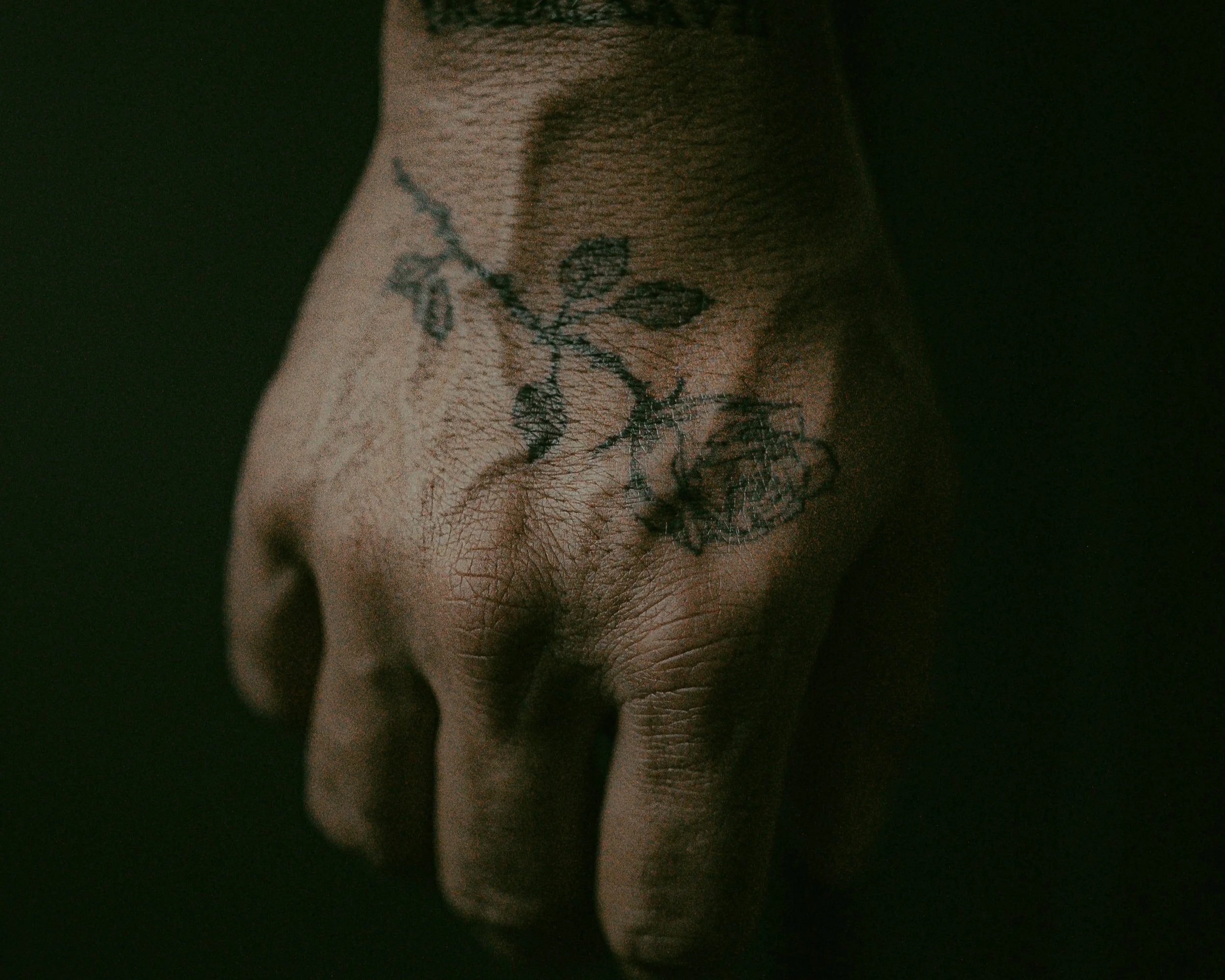
Lou was sixteen. He was very quiet. Inward. Soft-spoken. Not a riot-kind-of-kid. But there was a lot going on inside of him. Stuff he couldn’t get out. He was one of the best artists I had ever seen. He drew all day in his notebook, in his journal, or on his hand. It was how he spoke when he couldn’t find the words.
It was only the two of us in his room that night. And for the first part of the evening, he just stared at the ceiling while a flood of tears poured off his cheeks and soaked his pillow. I tried to give him the space to grieve but I felt like an intruder to his pain. So, I sat as quietly as I could.
Every so often, I asked him if he needed anything or if he wanted to talk. At some point, he asked if I could take off his restraints—at least one of them—so he could sit up or just wipe his face or have some ability to move at all. It was against regulation to untie him. I can’t remember now if I convinced the nurse on-call to unlock the strap or if I did it myself and broke the rule. Either way, he was freed—a little.
He sat up as far as he could in his bed and rubbed the tears from his face. In little bits here and there, he began to speak. A small trickle of disjointed thoughts and then a deluge. For the next few hours, he poured out his heart and never stopped talking. He shared with me his deepest hurt—the one at the bottom of everything else. The one I knew had been locked up so tightly in the core of who he was. A boy who was lost. Alone. Who desperately desired a relationship with his dad. A disconnected father he couldn’t measure up to. Couldn’t find approval from. How he wanted so badly to just be seen by him. To be loved by him. The cry of his heart filled that cold room, and his soul ached without relief in that void.
I didn’t know what to say in return. It was too big for me. Too all-encompassing. I wasn’t a counselor; I was barely out of college. I didn’t know how to fix such a devastated hurt—such a desperate need in that young man’s heart. So I just listened. And maybe that was enough. But I always felt that I could have said more. That in my feeble faith—having at least tasted the depth and breadth of God’s love—I should’ve said more.
Several years later, I ran into a co-worker from the hospital. I asked her if she had ever heard what happened with Lou because I thought of him often. She said yes. He had been released from the hospital that first time, went back out to drugs and drinking, and was readmitted a year or so later. The second time he was released, he went home and shot himself.
I cried at the news. I still cry for him. Even now, as I write this, my heart aches deeply.
Would it have been different if I had told him? Told him about the Love he was searching for—a pure, unconditional love that would fill the longing in his heart. The love of a Father with open arms who would never turn His face away. Would he have believed me then? Would he have seen it? Would he have lived?
I don’t know.
Just the other day, we got news that a young boy who had been out at the farm, who had smiled for the first time as he sat in the goat stall and let the baby goats climb into his lap, had taken his own life. The sadness of that brought up a lot for me—especially Lou. What could we have said, what could we have done, to save this boy’s life?
Maybe nothing. Maybe something. And we keep trying.
But I’ve been struggling with that this week. And as I processed it all, I discovered something new about myself.
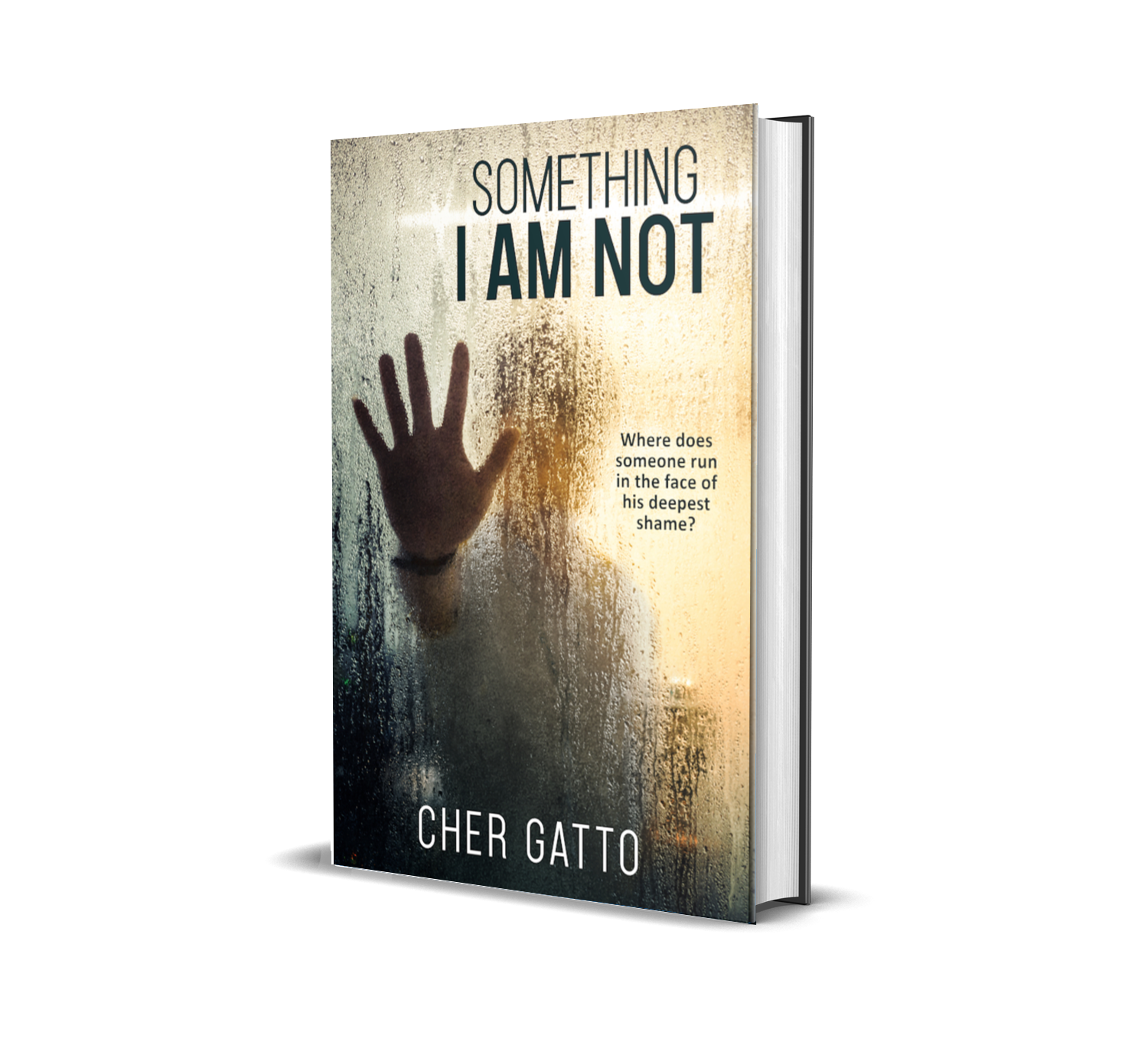
When I had started writing Billy’s story (Something I Am Not) down in Mexico, I had attributed it to the young people we worked with, especially those who were trafficked. People vulnerable to the abuse of so many. That was the catalyst—to find justice, redemption, a different ending. And there is a lot of truth to that, but I realize today it went back much further for me. It went back to Lou. That cold hospital room. And the deep loss of what should never be missing. He was the beginning—the true beginning of Billy’s story.
What did I need to say?
That the orphan is real. That the fractured pain inside comes from the chasm—the loss of knowing our true Father. Not because He had left us. But because we believed the lie.
The blinders exist. They’ve been crafted since the Garden. Whispered into the allusion of who we think we are. And those blinders are on all of us. Some partially. Some completely. And we strive to find—to get back to—the love we know we lost somewhere along the way. As creation groans, so does our soul. But the Love has never faltered, never faded, and never turned His face from us. Open arms we just need to fall into.
But there are breaks in that journey. Places where we lose the truth. Where we can’t breathe. Where our soul aches too deeply. And we forget. Or we never knew. And we drown in our sorrow before we find Him again.
Billy’s story is about that orphan—the one in all of us. The little boy or little girl with skinned knees and muddy tears. Who fights to be seen. Who hides to be known. Who breaks to be loved. It’s about tearing off the blinders and running home.
It’s the hope our soul needs in order to live.
It’s the thing I needed to say when I couldn’t find the words.